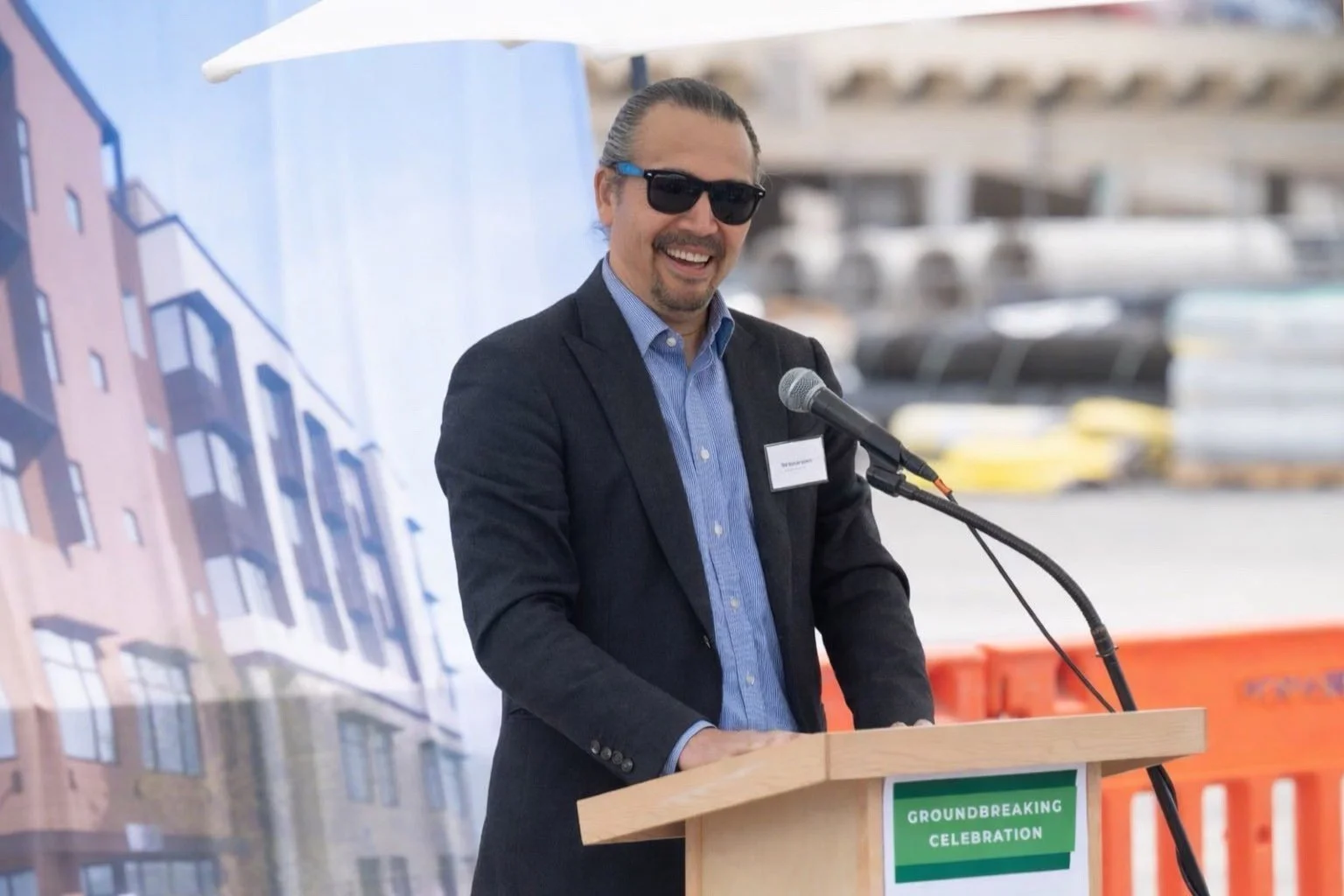
Eli’s Priorities
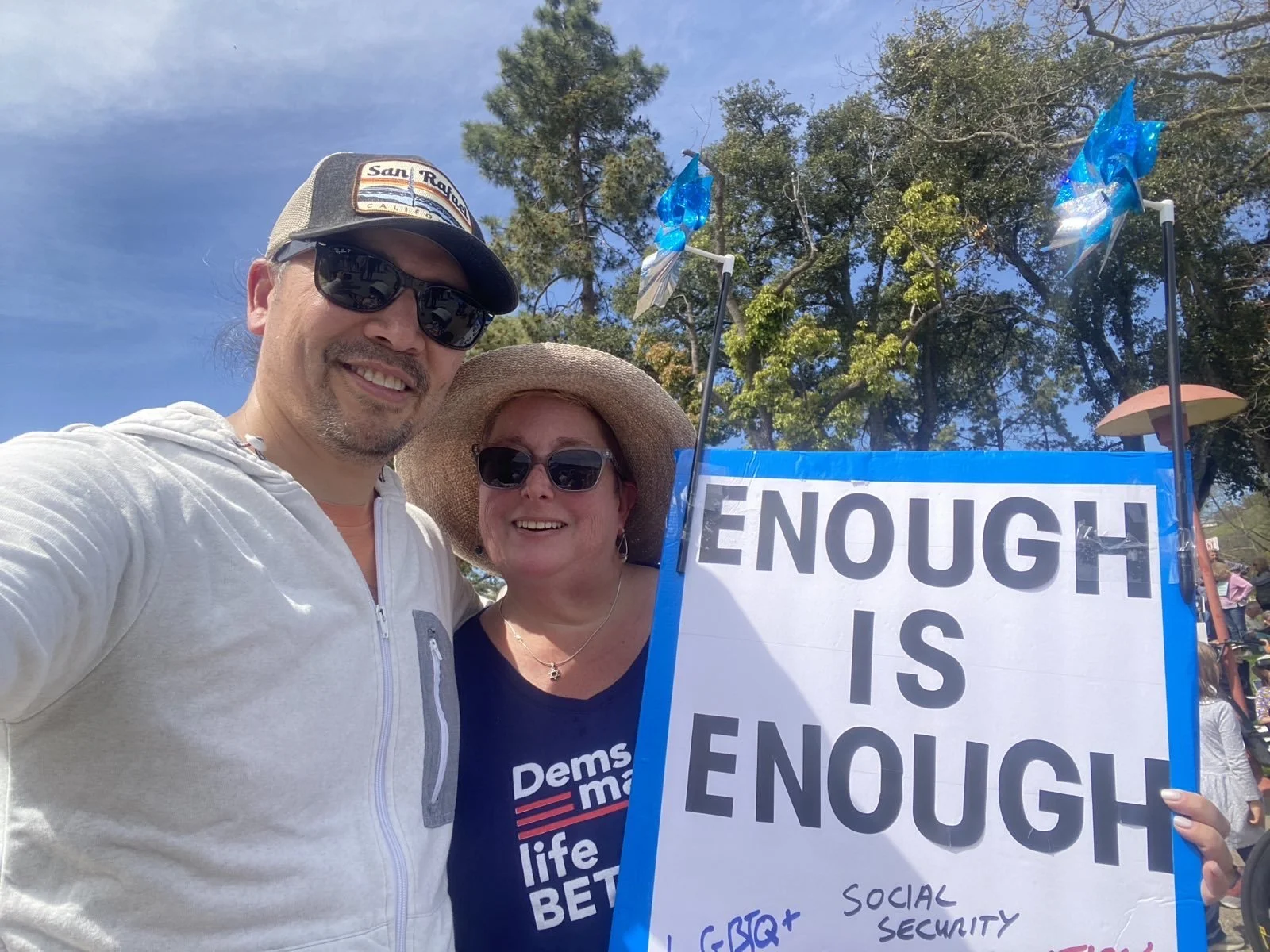
Economic Vitality & Small Business
Local businesses are the heart of San Rafael’s economy and culture. Eli is committed to helping them grow, adapt, and succeed.
He supports:
Streamlining permits and licensing, with multilingual support and outreach for small business owners and entrepreneurs.
Investing in key commercial areas and making sure long-time and newly-arriving business owners benefit from revitalization.
Building local workforce pathways that connect housing, transit, and education, helping residents, including immigrants, working families, and bilingual professionals, find opportunities close to home.
Equity and Community Engagement
Eli believes every resident should feel seen, heard, and included in the decisions that shape our city.
His work focuses on:
Expanding multilingual, multicultural engagement in planning, budgeting, and development, from the Canal to Terra Linda to Downtown.
Ensuring under-represented communities have a voice in city decision-making.
Increasing transparency with clear reporting, measurable milestones, and accessible public information.
Effective and Accountable Government
Eli believes that government should work efficiently and responsively for the people it serves.
He is committed to:
Building a city government that is modern, inclusive, and easy for residents to access.
Expanding open-data tools, public dashboards, and streamlined permitting to reduce barriers and improve service.
Ensuring fiscal responsibility by investing in programs that deliver strong returns while protecting essential services.
Strengthening regional partnerships across Marin and with housing and transit agencies like SMART to tackle challenges no city can solve on its own.
Housing Affordability and Opportunity
Eli is committed to building a San Rafael that is safe, affordable, innovative, and welcoming, where every family has the opportunity to succeed.
Eli was proud to help move forward San Rafael’s General Plan 2040 and the Downtown Precise Plan, efforts that modernize zoning, support mixed-use & infill development, and center equity in our city’s long-term future.
He believes stable, attainable housing is the backbone of a healthy community. With rising costs pushing families and workers out of Marin, Eli is focused on practical, community-driven solutions:
Speeding up approvals and supporting well-designed multifamily housing in walkable, transit-rich neighborhoods, while also protecting neighborhood character and expanding affordable and workforce housing where it’s needed most.
Making sure major developments provide community benefits and serve long-time residents, including Latino, multilingual, and working-class households.
Increasing transparency by improving engagement with developers, strengthening regional coordination, and planning infrastructure early so housing becomes more feasible.
Public Safety and Strong Neighborhoods
Public safety and quality of life have guided Eli’s work, both in public service and in his career helping government agencies use data to improve outcomes.
His priorities include:
Strengthening community-oriented policing and partnering with San Rafael Police, Fire, and first responders on data-driven strategies that reduce crime and build trust.
Supporting youth through after-school programs, mentoring, and leadership opportunities so every young person feels connected to San Rafael’s future.
Making streets safer with protected bike lanes, pedestrian improvements, and Vision Zero-style strategies to reduce serious injuries and fatalities.
Keeping our neighborhood spaces, parks, libraries, and community centers vibrant and making sure every part of the city benefits fairly from public investment.
Infrastructure and Climate Resilience
Strong infrastructure and long-term climate planning are essential to San Rafael’s future. Eli believes in modernizing the city’s streets, utilities, and public spaces so they’re safe, accessible, and sustainable for everyone.
His commitments include:
Advancing the Bicycle & Pedestrian Master Plan, improving the Transit Center, and expanding safe options for walking, biking, transit, and driving.
Fixing high-collision intersections with proven solutions: better lighting, clear signage, protected crossings, and updated signal timing.
Delivering quick but effective safety improvements such as protected bike lanes and pedestrian safety zones.
Prioritizing climate-resilient development, including sea-level rise adaptation, sustainable building practices, infill development, and green infrastructure.